+8615061447755

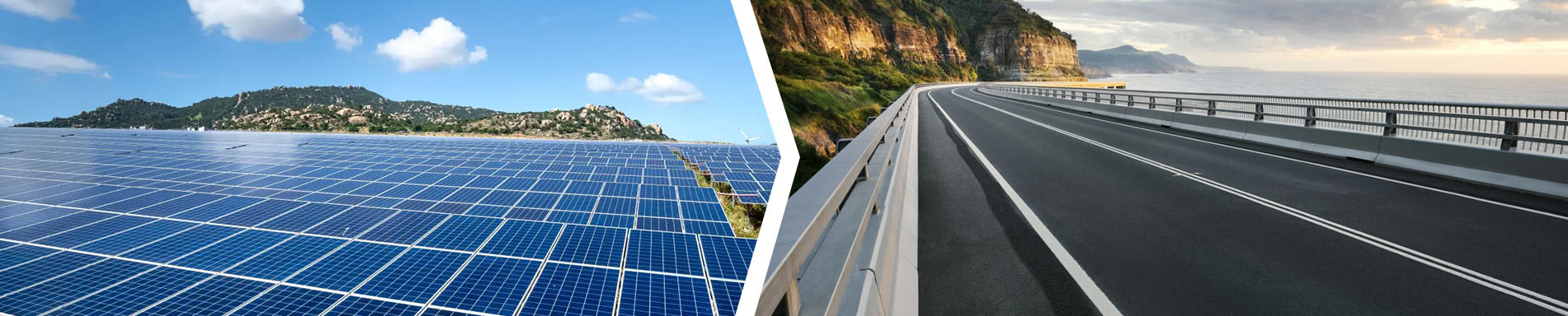
كثيراً ما يسأل مقاولو الهندسة والمشتريات والإنشاءات:
"مسامير أرضية أم ركائز حلزونية - أيهما يجب أن نستخدم؟"
لا يتعلق الأمر بأيهما أفضل، بل يعتمد على ظروف الموقع، ومتطلبات الأحمال، وقيود المشروعيؤثر اختيار النظام المناسب على سرعة التركيب والتكلفة والاستقرار على المدى الطويل. ويساعد فهم الاختلافات بين نوعي الأساسات فرق الهندسة والمشتريات والإنشاء على التخطيط بكفاءة أكبر وتجنب الأخطاء الشائعة.
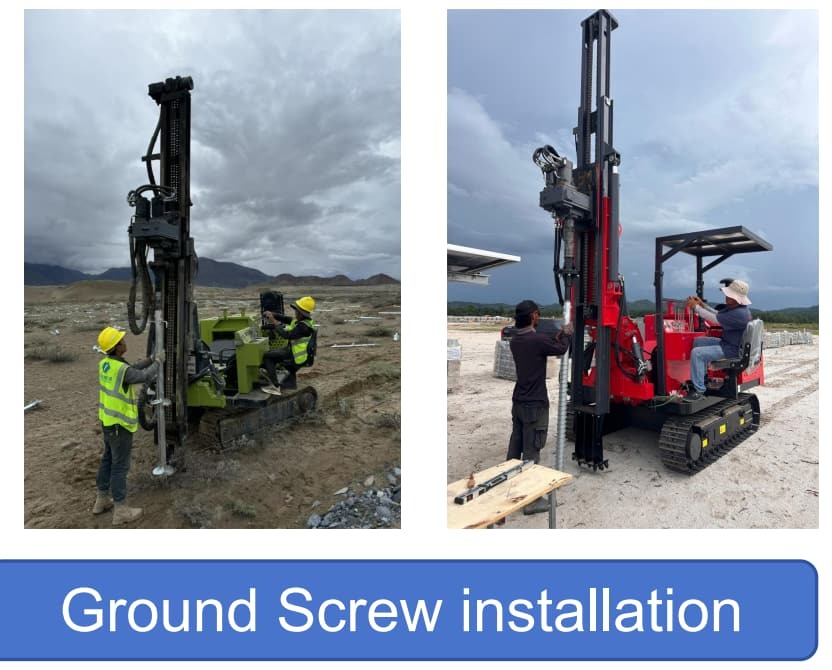
قبل مقارنة أنظمة الأساسات، ضع في اعتبارك ما يلي:
غالباً ما تحدد هذه العوامل نوع الأساس الأكثر ملاءمة بالنسبة للمشروع، وليس للمنتج وحده.
تتميز البراغي الأرضية بـ أرض مستوية ذات تربة متجانسةوخاصة بالنسبة للمشاريع التي تعتبر فيها السرعة والحد الأدنى من الإزعاج من الأولويات.
المزايا:
الأفضل لـ: الطاقة الشمسية الموزعة، والهياكل المؤقتة أو شبه الدائمة، والمشاريع ذات المسار السريع.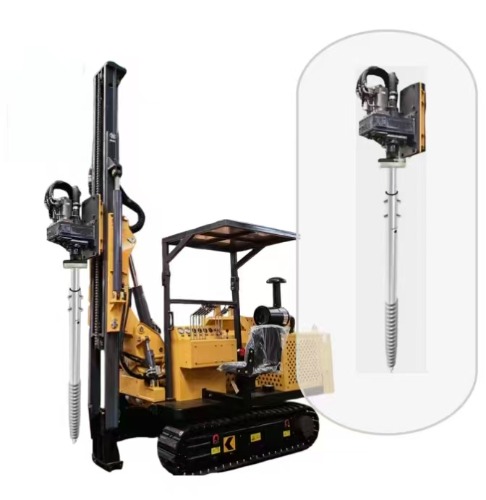
توفر الركائز الحلزونية دعم أقوى وأعمق حيث تكون التربة مختلطة أو صخرية أو قريبة من الصخور الأساسية. تعمل صفائحها الحلزونية على تحسين قدرة التحمل ومقاومة الهبوط.
المزايا:
الأفضل لـ: تضاريس وعرة، وأساسات صناعية، ومشاريع طاقة شمسية ذات أحمال عالية.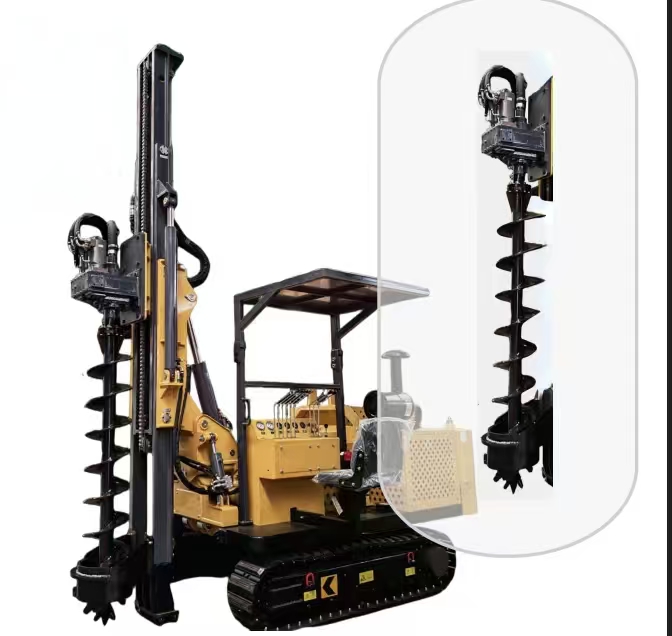
تُعدّ جودة التركيب أمراً بالغ الأهمية. فحتى أفضل أنواع الركائز قد لا تؤدي وظيفتها بكفاءة إذا لم يتم التحكم في عزم الدوران. وقد يؤدي عدم استقرار عزم الدوران إلى ما يلي:
حل تيزونغ: عزم دوران ثابت، ودوران متحكم به، ومراقبة في الوقت الفعلي لضمان أن كل ركيزة تلبي المواصفات الهندسية.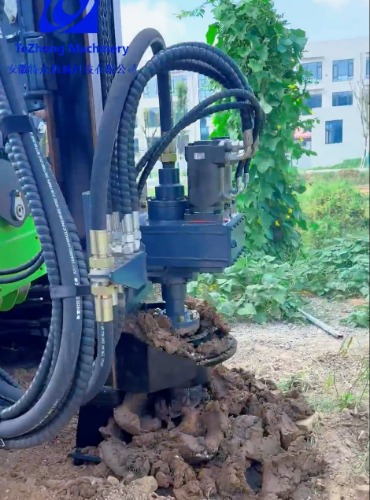
المعدات مهمة أيضاً - فالآلات الموثوقة تقلل الأخطاء، وتحسن السرعة، وتضمن جودة متسقة، خاصة في مشاريع EPC الصغيرة والمتوسطة الحجم أو المواقع ذات الوصول المحدود.
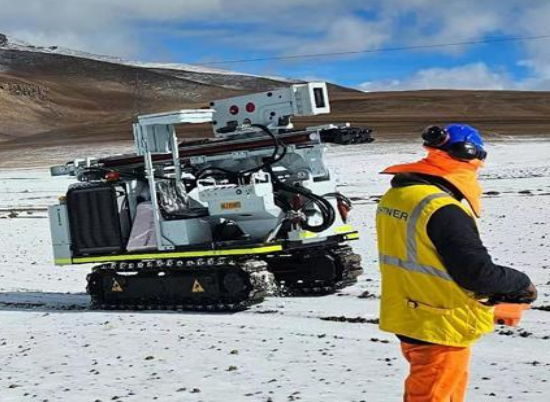
دليل سريع لفرق الهندسة والمشتريات والإنشاءات:
عند الشك، قم بـ اختبار التركيب مع قياس عزم الدوران للتأكد من الأداء.
يوصي تيزهونغ بما يلي: تقييم التربة، وتحديد الحمل، واختبار عزم الدوران، واختيار النظام المناسب، واستخدام معدات مستقرة ومضبوطة. هذا يضمن أن كل ركيزة توفر موثوقية عالية في الواقع العملي ونجاح المشروع.
👉 تواصل مع تيزهونغ لمناقشة مشروع الطاقة الشمسية الخاص بك وتحسين حلول الأساسات لديك.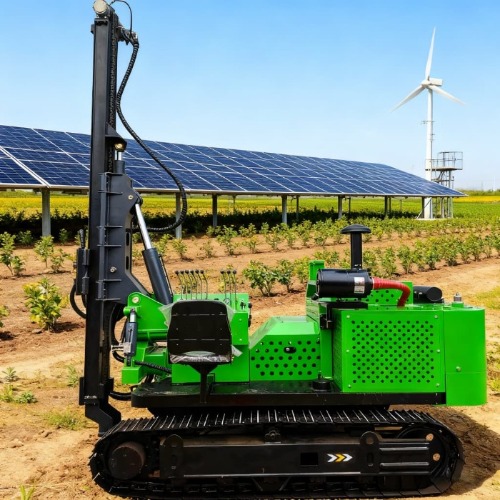



+8615061447755
 شبكة IPv6 المدعومة
Our hours
سواء كان ذلك يوم عطلة أو مهرجان، سيكون لدينا شخص لاستقبالك على مدار 24 ساعة في اليوم والرد عليك في أقصر وقت.
Hi! Click one of our members below to chat on